

a1progressive

Looking for reliable Chimney and Masonry Services in North New Jersey? A1 Progressive Construction has been the go-to choice for homeowners since 2009. We specialize in comprehensive chimney cleaning, fire prevention, and expert masonry repair to keep your home safe and structurally sound. From creosote removal and chimney inspections to restoring damaged brickwork, our licensed team ensures every job is done with precision and care. Fully insured and highly rated, we proudly serve all of North New Jersey with guaranteed satisfaction. Don’t wait for a chimney issue to turn into a disaster—trust the experts at A1 Progressive today.

The Facts About Chimney Fires: Your Questions Answered

Most chimney fires are preventable, and in this resource, we’re going to help you understand how to prevent them. We’ll answer questions like:

Our goal is to provide you with the knowledge you need to make informed decisions around chimney and masonry maintenance and use, so you never have to experience a chimney fire first-hand. So, let’s get started.

MASONRY-3
MASONRY-4

— Connect

Get in touch

    What Causes Chimney Fires?

    Most chimney fires are caused by a dirty chimney.

    We often get asked, ‘What is the black stuff in my chimney?’ Well, anytime you burn wood, byproducts of combustion are formed, and those byproducts include creosote and soot. This is what you’re seeing – and it’s not good. Soot needs to be removed from the chimney periodically, but the by product of woodburning we’re most concerned with when it comes to chimney fires is creosote.

    How Bad Is a Chimney Fire and Why Is a Chimney Fire Dangerous?

    So, what makes a chimney fire so dangerous and how bad is it?

    Chimney fires are dangerous because they can rapidly spread to other areas of the home, putting those within the home at risk of injury or death. Not only that, but they can cause a lot of damage to the chimney itself. Here’s a snapshot of the kinds of damage chimney fires can cause to your chimney, depending on which type you have:

    Masonry Chimneys

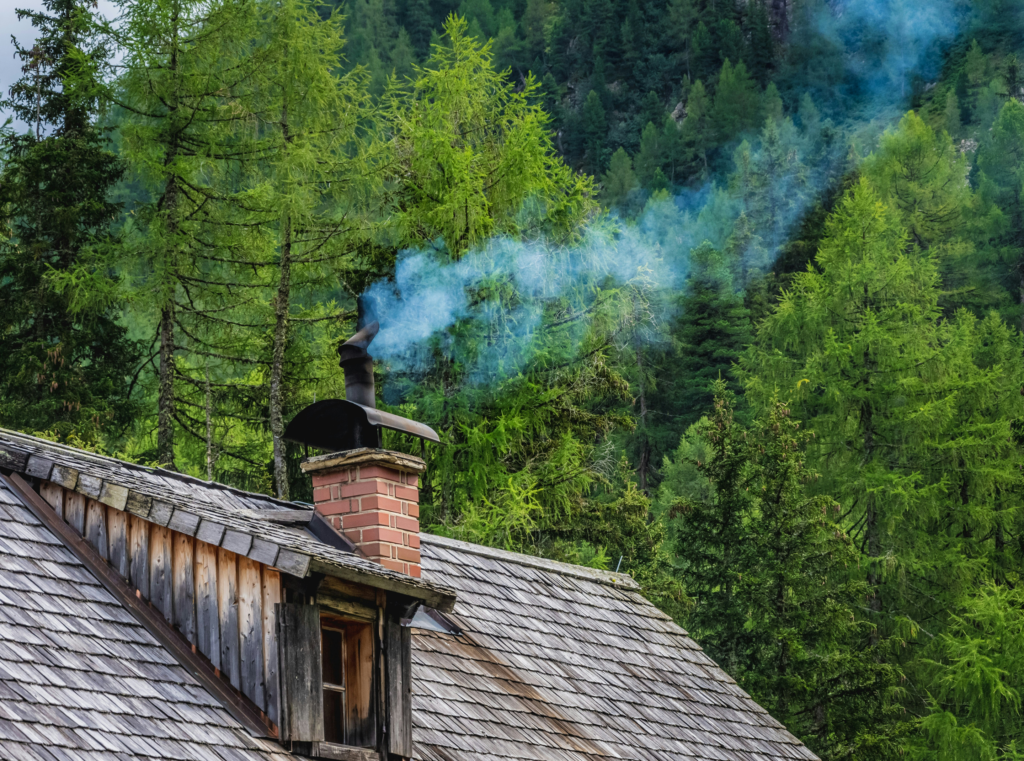
    When a chimney fire occurs in a masonry chimney – whether the flue is an older, unlined type or tile lined to meet current safety codes – the high temperatures at which the fire burns (around 2000 degrees F) can melt mortar, crack tiles, cause liners to collapse, and damage the outer masonry material.  Most often, thermal shock occurs, tiles crack, and mortar is displaced.

    metal chimney

    Factory-Built Metal Chimneys

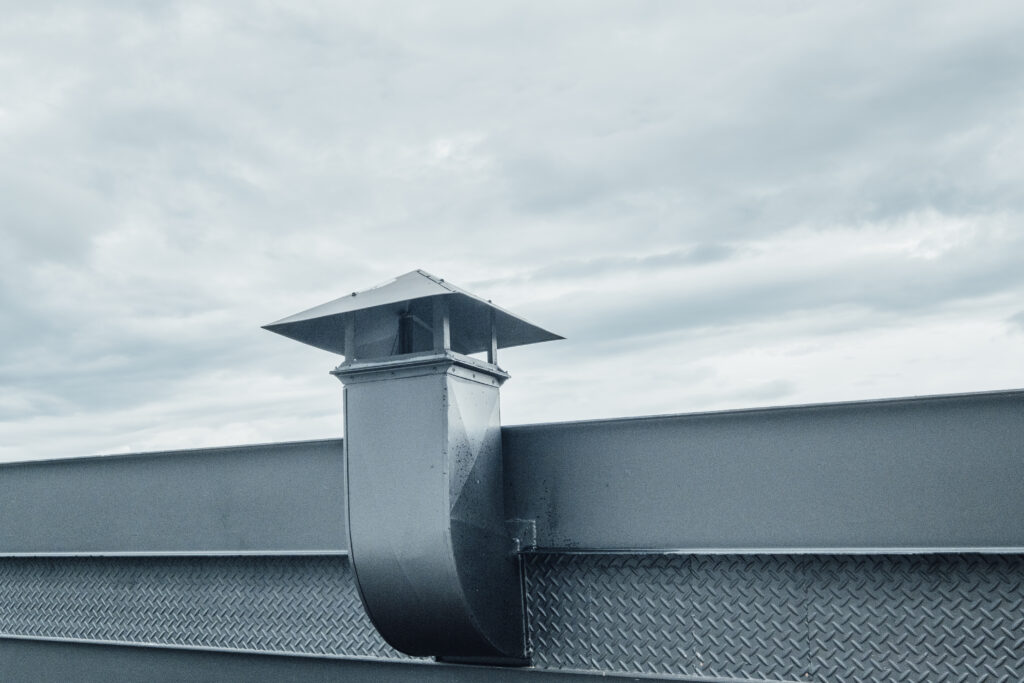
    In most jurisdictions in the U.S., metal factory-built chimneys that are designed to vent wood-burning stoves or prefab metal fireplaces must pass special tests or they can’t be installed. Most tests require the chimney to withstand flue temperatures up to 2100 degrees F, without sustaining damage. Even still, if there’s a chimney fire, these systems can be damaged. 

    Woodstoves

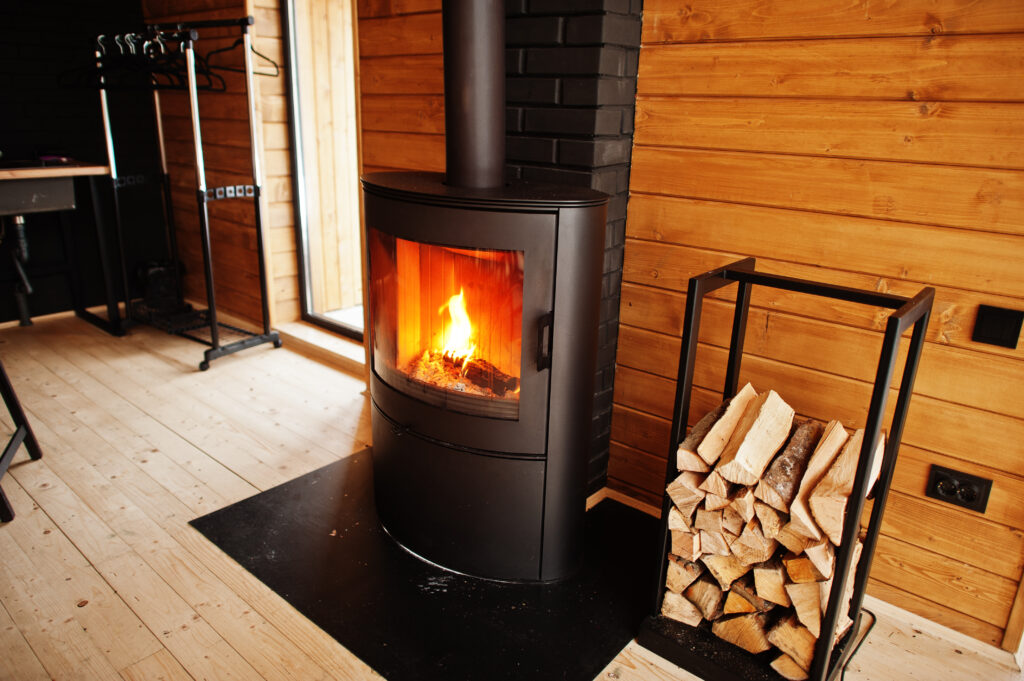
    Woodstoves are made to contain hot fires. The connector pipes that run from stove to chimney, however, aren’t. They can’t withstand the high temperatures produced during a chimney fire and will warp, buckle, or even separate from the appliance and chimney because of the vibrations of air turbulence during a chimney fire. If a separation does occur, fire, heat, and smoke can transfer to other areas of the home.

    When you consider that a chimney sweeping and inspection cost around $150-450 and could potentially save you thousands or even tens of thousands of dollars in repairs, the smart choice is obvious: schedule routine inspections and cleanings for your chimney and masonry system.

    Where Do Most Chimney Fires Start?

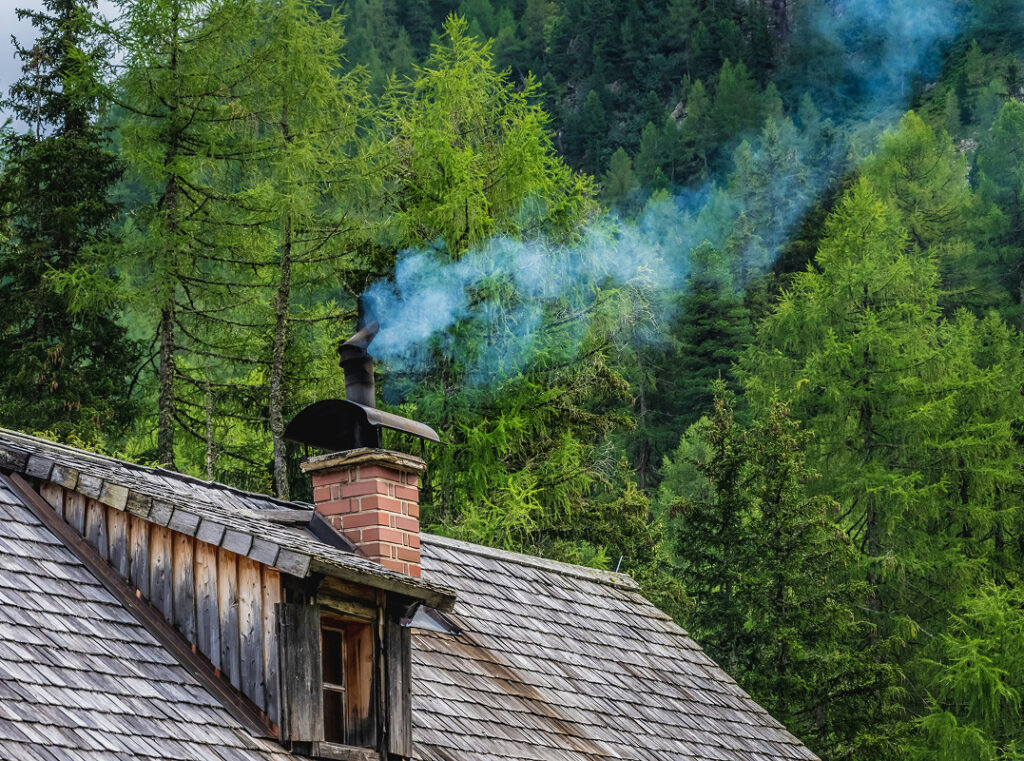
    Most chimney fires start inside the flue where there’s either creosote buildup or a flue blockage of some kind. As heat from the fire reaches these flammable materials, the creosote or blockage ignites, starting a chimney fire.

    chimney
    ChimneyCreated with Sketch.

    At What Temperature Does a Chimney Fire Start?

    Creosote can ignite at around 451°F, which is close to the temperature of a typical fireplace fire. Since fireplace temperatures can exceed 450°F, creosote can easily reach the ignition point.

    ChimneyCreated with Sketch.

    How Hot Do Chimney Fires Get?

    Once a chimney fire is going, it can burn up to 2000 degrees F, which is hot enough to break and crack clay flue tiles and melt metal flue liners in mere moments. That’s why a small chimney fire can become a house fire in very little time.

    — Signs

    What Are the First Signs of a Chimney Fire?

    Chimney fires can be explosive and dramatic, but not all are immediately obvious. There are two types of chimney fires: fast burn and slow burn.

    Both types of fires can be equally dangerous. If you suspect a chimney fire, it’s essential to inspect your chimney immediately.

    — Newsletter

    News in Your Inbox

    Subscribe to our newsletter to receive bi-monthly updates.

      contractors

      — Testimonials

      What our clients say about us.

      FAQS

      We provide roofing, chimney repairs, masonry, and general construction services.

      Signs include missing shingles, water stains, and sagging. Contact us for a free inspection.

      Creosote buildup causes chimney fires. Regular cleaning and inspections help prevent them.

      We recommend annual inspections, especially before the heating season.

      Yes, we assess and repair fire damage to chimneys and flues.